 Byte Realm Nexus
Metro 2039 Heads Back to the Tunnels — and Into the Politics
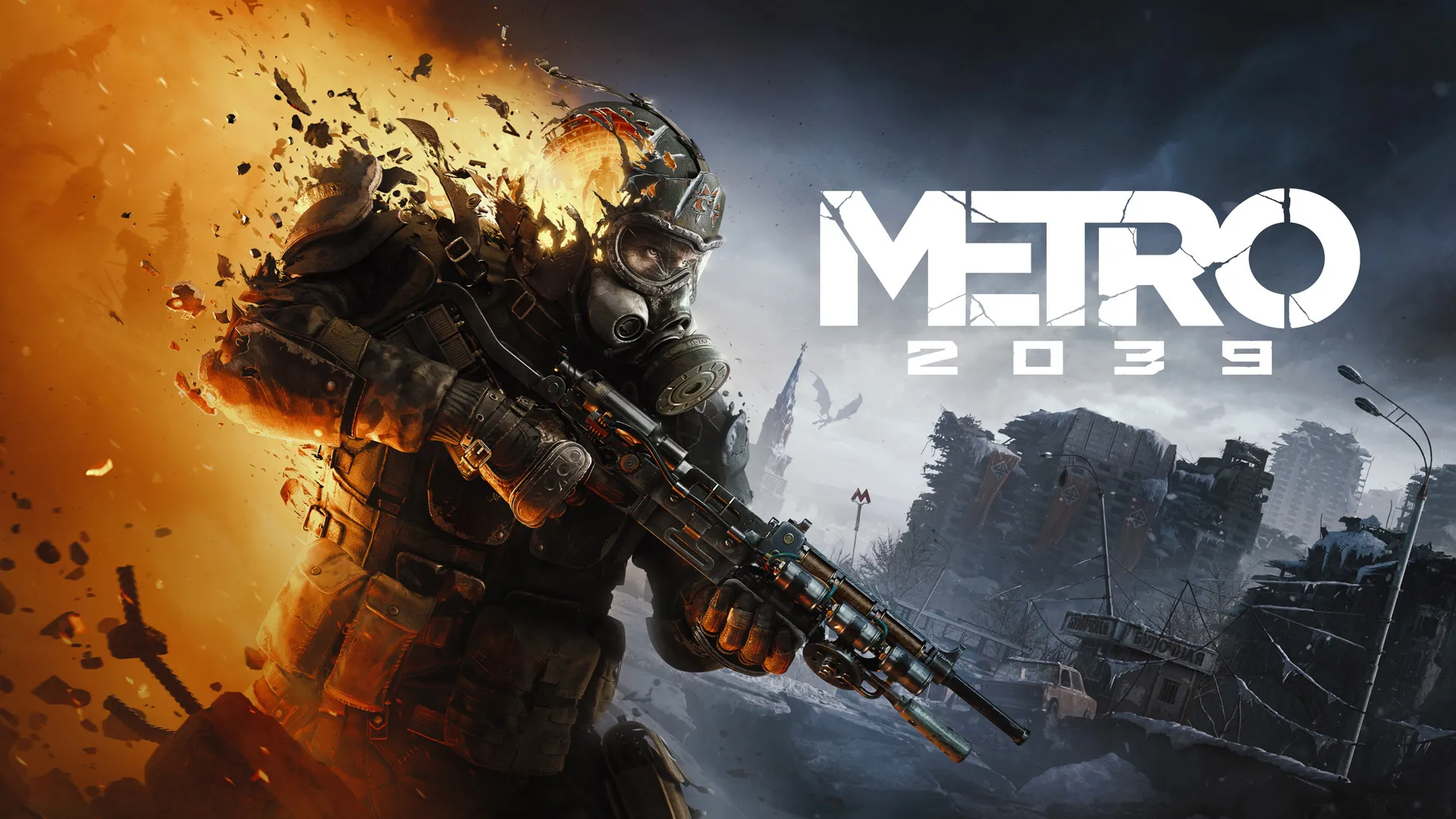
Moscow's metro is a dictatorship now. That's the hook for Metro 2039, revealed during the Xbox First Look broadcast on April 16 — the first new mainline Metro in six years and easily the most politically pointed thing 4A Games has ever made. The Ukrainian studio isn't being coy about it either: the antagonist is a man named Hunter, a "fanatical Spartan leader" running a regime called the Novoreich, complete with a propaganda apparatus and what the trailer frames as a literal Führer figure.
If that subtext feels unsubtle, it's supposed to. 4A has said openly that Russia's invasion of Ukraine reshaped the game's direction, and you can feel the rewrite in the pitch — a story about apocalypse survivors being herded into allegiance by a strongman who promises safety and exports cruelty. The post-apocalypse has always been a mirror for its authors. This time the mirror is unusually close to the studio's window.
Back to Where Metro Works Best
Metro Exodus pulled the series out of the tunnels and onto a sprawling, sunlit surface. It was beautiful and it sold well, but it also lost the thing that made the first two games unnerving — the suffocating, narrow dark, where a flashlight click sounded like a gunshot. Creative director Andriy Shevchenko's pitch for 2039 is simple: back to the tunnels, lean into what makes Metro Metro. The Nosalises are back. The handcrafted weapons are back. The wristwatch UI — gauging how long your gas mask filter has left — is back.
It's a move that looks like a retreat but probably isn't. Exodus' open spaces papered over what the series does better than anyone: claustrophobia as a verb. If 2039 nails the underground again, the crowd that burned out on open-world fatigue might find the tight spaces feel generous by contrast.
The Stranger Gets a Voice
Here's the one that'll divide fans. Every prior Metro lead — Artyom across three games — was silent, a Gordon Freeman in a gas mask. Metro 2039 breaks that. The protagonist, known only as The Stranger, is the first fully voiced hero in the series. He's a recluse haunted by nightmares, dragged back to a Metro he swore never to see again.
The case for it: a voiced lead lets 4A do the kind of character-driven drama that's hard to pull off when your hero communicates in grunts. Dmitry Glukhovsky — the novelist behind the original Metro books — returns as co-writer, and he works best when his characters can actually talk. The case against: Artyom's silence was part of the series' identity, a deliberate invitation for players to become him. Trading that in for a performance, however good, reads differently in marketing than it does in motion.
What We Know About the Ride
Metro 2039 launches Winter 2026 on PlayStation 5, Xbox Series X|S, and PC via Steam and Epic Games Store. It runs on 4A's in-house engine with upgraded ray tracing — the studio's tech team has quietly become one of the best in the business, and Exodus Enhanced Edition remains a reference point for what ray-traced global illumination can do.
Between the political weight, the tonal reset, and the voiced lead, this is the most ambitious thing 4A has attempted. It's also the riskiest. The studio is making a game about fascism while making it from a country currently being invaded by one — which means the work isn't just art anymore. It's testimony. Whether that translates into a better game is a question only winter can answer, but it's already a more interesting one than most of this year's reveals.
Sources
- https://news.xbox.com/en-us/2026/04/16/metro-2039-first-look-recap-everything-announced/
- https://www.deepsilver.com/games/metro2039
- https://www.youtube.com/watch?v=MSdghdelbAw
- https://gamingtrend.com/news/metro-2039-debuts-terrifying-reveal-trailer/
- https://www.vice.com/en/article/metro-2039-reveal-trailer-first-gameplay-footage-and-release-window/